New plans to strengthen children’s safety online
The UK Government has announced new plans to better protect children online, including measures to stop under-18s from taking, sharing or viewing nude images on their devices.
The move comes in response to growing concern about the scale of online harm, particularly where children are pressured or manipulated into creating and sharing images.
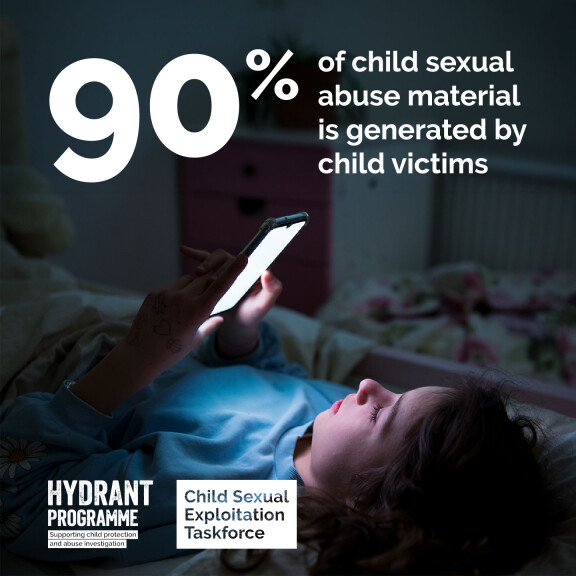
- Around 90% of child sexual abuse material is now created by children themselves
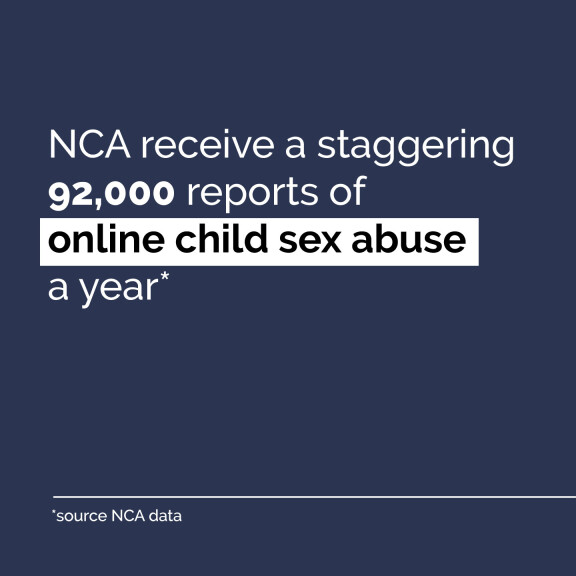
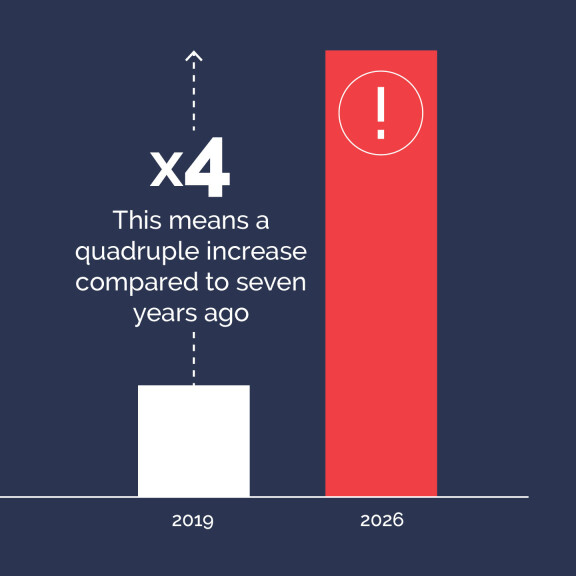
- The National Crime Agency receives over 92,000 reports of online child sexual abuse each year — four times higher than seven years ago
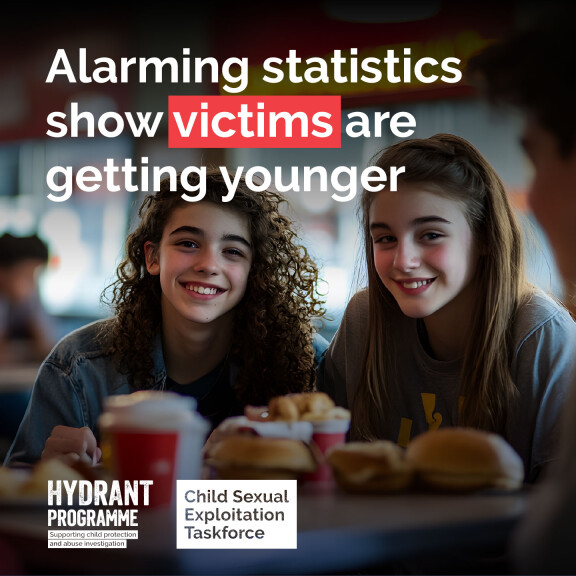
- Evidence shows that victims are getting younger, and the severity of abuse is increasing
These figures highlight the urgent need to act earlier and prevent harm before it happens.
Stopping harm before it starts
The proposed changes focus on introducing technology that can detect and block harmful images directly on a child’s device.
This means preventing images from being taken or shared in the first place — reducing the risk of exploitation, coercion and abuse.
Acting Chief Constable Becky Riggs, the national policing lead for child protection and abuse investigations, said:
“Technology that can identify when a child may be at risk online is an important step in helping us keep them safe.
By stopping harmful imagery from being created in the first place, we can prevent the coercion, blackmail, exploitation and abuse of children that devastates so many young lives.”
Working together to protect children
Keeping children safe online requires technology companies, government, police and support services—to work together.
“We also know that tackling abuse requires the same strong, collaborative approach we apply in our work to address violence against women and girls… ensuring a broader, joined-up effort to reduce harm and prevent abuse in all its forms.”
Becky Riggs
What happens next
The Government has made clear that technology companies must take action to build safer systems for children. These protections are intended to be built into devices by default, while adults will still be able to access content through age verification.
Becky Riggs added:
“We welcome the Government’s commitment… and will continue working with partners… to ensure children, and all those at risk, are better shielded from online abuse.”
Protecting children online is a shared responsibility. Preventing harm early can make a lasting difference to children’s safety and wellbeing.